We develop advanced characterization and analysis strategies to understand and control electrochemical materials & interfaces.
Our current main focus: solid-state batteries
A next-generation energy storage technology where electro-chemo-mechanical instabilities at interfaces remain a critical barrier to commercialization.
Our Mission
Fundamental Understanding
We characterize electro-chemo-mechanical interfaces using advanced multi-modal operando analysis to gain unprecedented scientific understanding.
Autonomous Control
We actively stabilize system behaviors through closed-loop optimization and predictive modeling.
Technological Impact
We translate this knowledge into rational strategies to develop next-generation energy storage systems (e.g. solid-state batteries).
Key Research Approaches
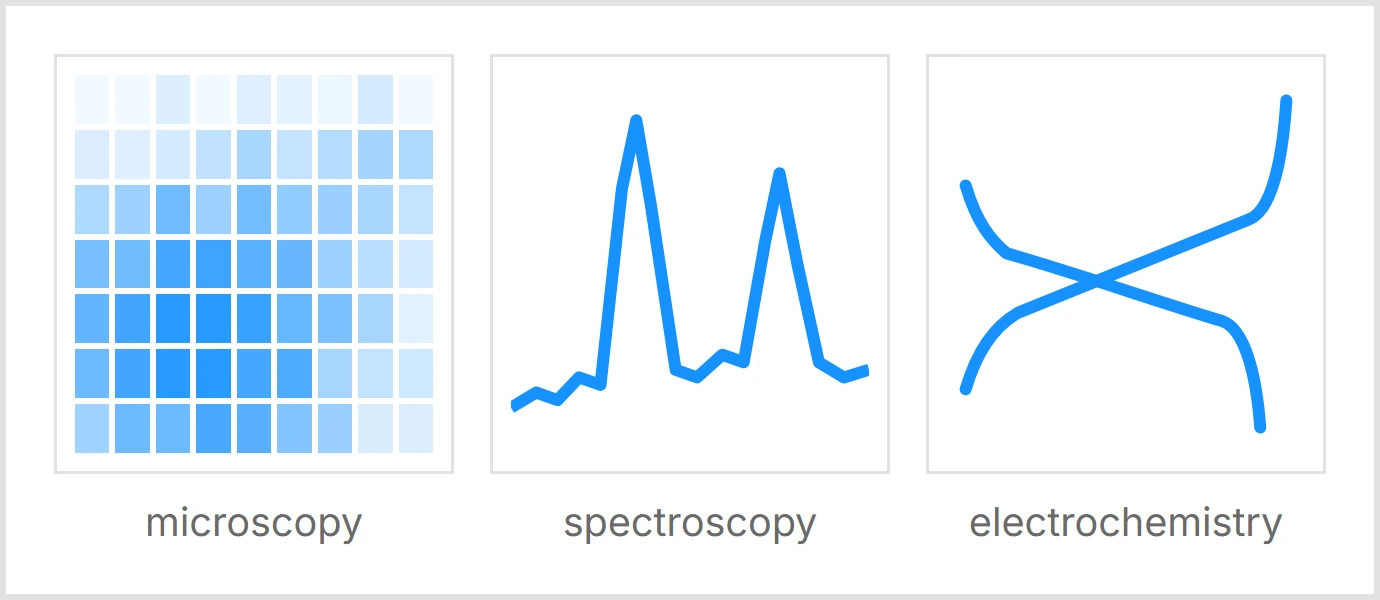
Multi-modal Analysis
We characterize the spatial distribution and temporal evolution of complex electro-chemo-mechanical behaviors across interfaces with multiple characterization techniques (microscopy, spectroscopy, etc.).
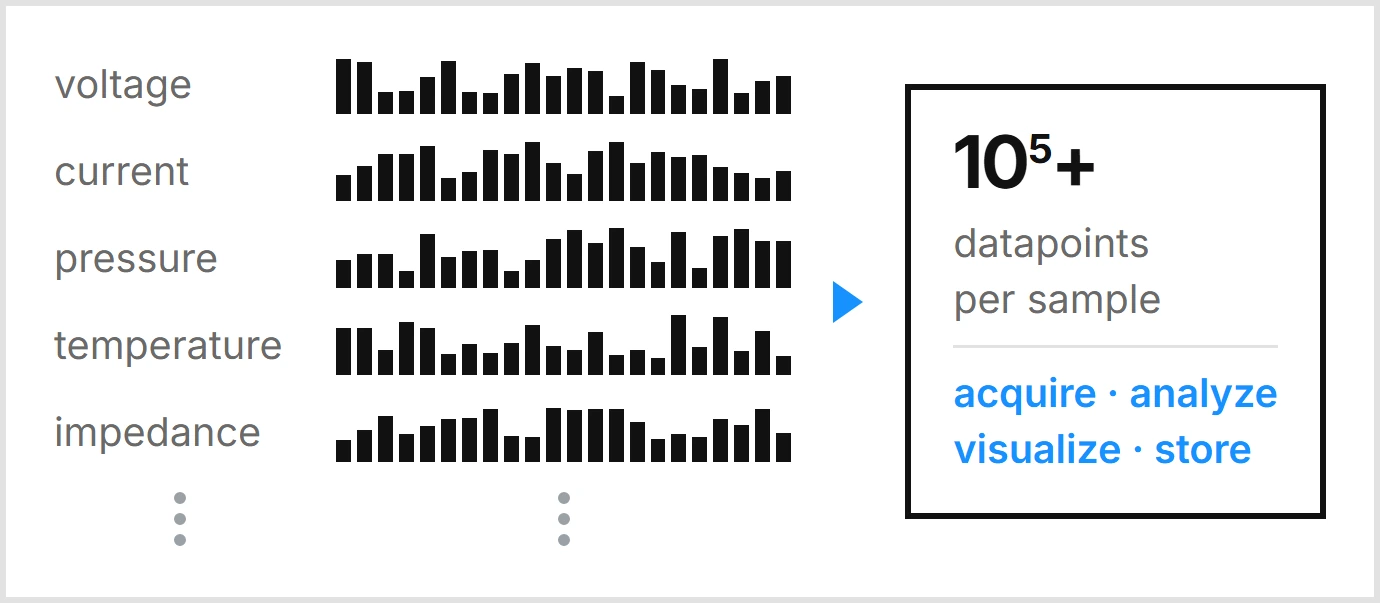
Operando/Automatic Analysis
We perform quantitative/automatic analysis under operando conditions to capture fast-evolving behaviors at the interfaces and real-world relevance.
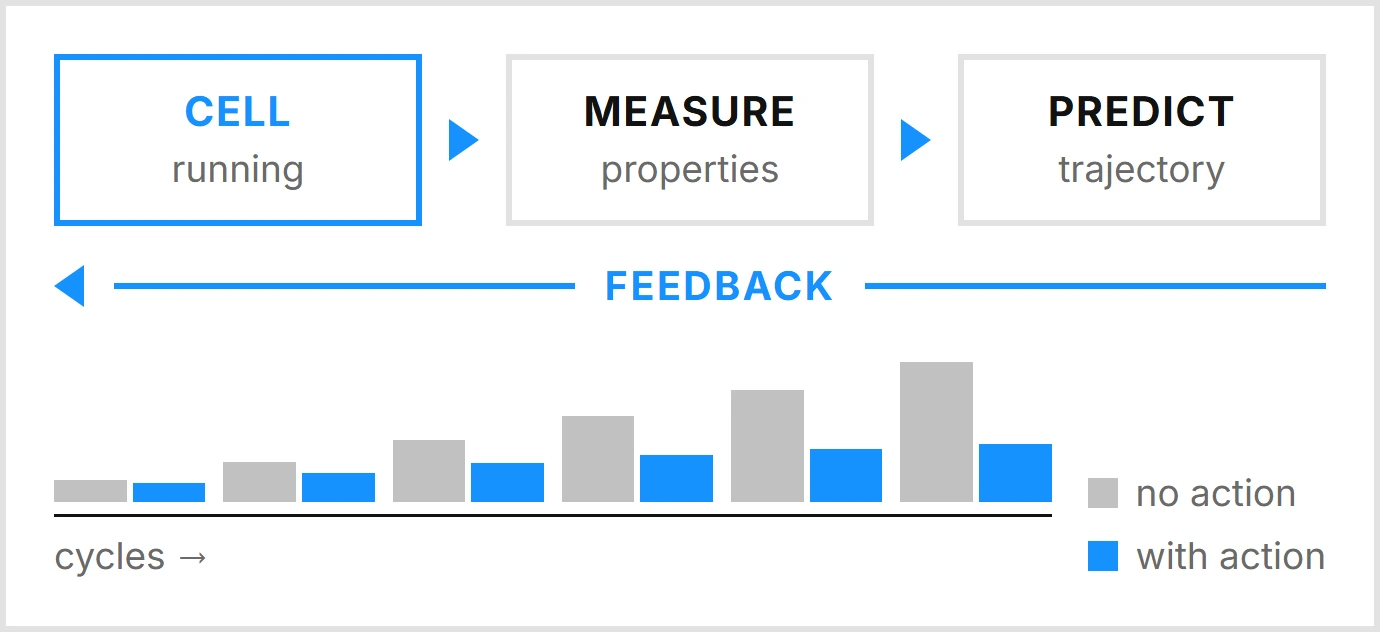
Closed-loop Optimization
We perform closed-loop optimization of the system, leveraging real-time measurement of material properties and their predicted trajectories.
If you want to explore our unique, integrated research approaches in detail (including multi-modal operando analysis and closed-loop autonomous control), please visit our research vision page.
The Platform
We are building a self-driving lab for electrochemical systems — from the opposite end than most do.
Most self-driving labs are built upward from synthesis: a robot makes a material, a cheap measurement scores it, an optimizer picks the next one. We build downward from the measurement instead — starting from what the science requires us to see at a buried interface, and building every layer beneath it to make that measurement possible, repeatable, and scriptable.
That is what lets our loop close on a system while it is running, rather than on the choice of the next material to make.
Most self-driving labs automate making. We automate seeing — and then acting on what we see. See how the platform is put together on our platform page.